Wardrobe systems
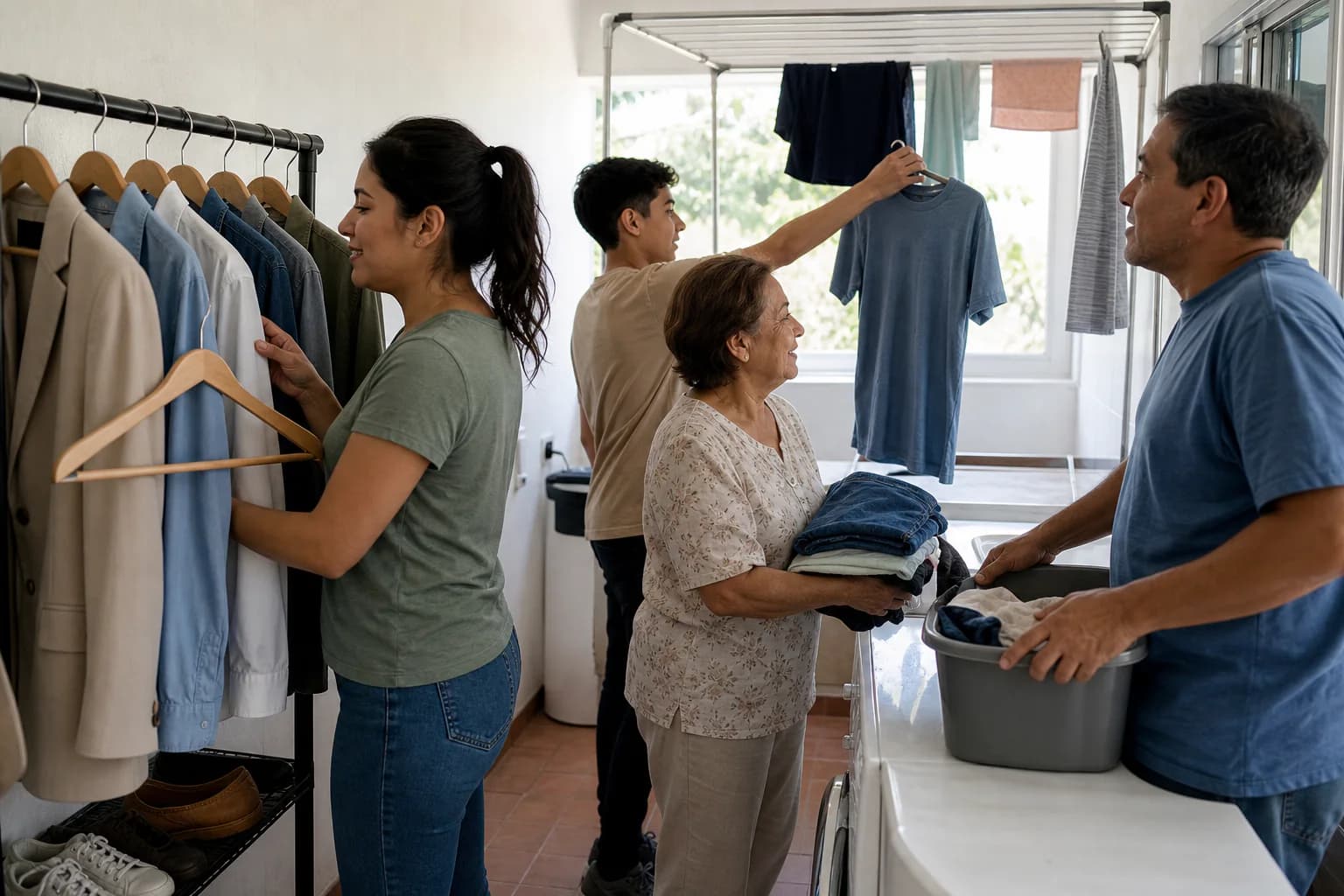
Build an outfit rotation that survives real laundry days
Plan around wash frequency, drying time, care labels, spills, and the clothes that are unavailable when you need them.
Published August 19, 2026 · 6 minute read
Short answer
Measure the longest real gap from hamper to wearable, find garments that bottleneck several outfits, and create an alternative for each critical role.
A process you can repeat
Start with the real conditions and use your own experience as evidence. The goal is not to obey a style rule; it is to make a decision you can reuse.
- 1
Define the conditions
Count the full cycle through washing, drying, folding, and return.
- 2
Use your own evidence
Find the one underlayer, trouser, uniform piece, or shoe blocking many looks.
- 3
Test the result
Create another combination before buying a duplicate.
- 4
Save what you learned
Group loads and drying needs so care-heavy pieces return on time.
Adapt it to your life
Sweating, skin needs, food or healthcare work, allergies, caregiving, shared laundry, drought, and cost change washing frequency. Follow safety and care requirements rather than a universal wear count.
- Count the full cycle through washing, drying, folding, and return.
- Find the one underlayer, trouser, uniform piece, or shoe blocking many looks.
- Create another combination before buying a duplicate.
Save the answer, not just the look
Take a quick photo when the outfit works and add one note about context: weather, occasion, comfort, and any adjustment. That personal evidence answers the next decision better than another generic recommendation.
Frequently asked questions
Do I need to buy anything?
No. Start with what you own and buy only when the same function remains missing after you test alternatives.
How do I know the system works?
It should reduce a real decision, survive the full context, and be easy enough to repeat.
What if my situation changes?
Save the formula, not a rigid rule. Change the part affected by weather, body, work, safety, or identity.